



Introduction:
Israel has one of the highest rates of skin cancer in the world. The intense sunlight of the region, combined with a population whose ancestry comes from much cooler and lower-UV environments, creates a biological mismatch. Understanding why this happens means understanding how skin color evolved in direct response to the sun.
Israel’s Climate and UV Radiation
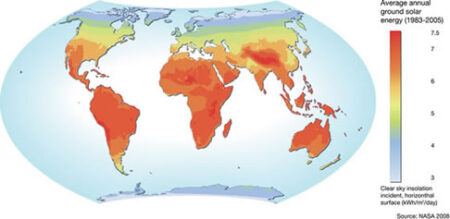
Israel sits at a latitude with very strong ultraviolet radiation. The UV index often ranges from 9 to 11 during the warmer months — classified as “very high” to “extreme.” This intensity means that even short exposure without protection can cause DNA damage in skin cells.
The Population Shift: From Europe to the Levant
Many of Israel’s modern citizens are of European or Central Asian descent, people whose ancestors lived for centuries in regions with much weaker sunlight. Their skin evolved to be lighter, allowing more UV absorption for vitamin D synthesis. That adaptation worked well in places like Poland, Germany, or Russia — but in a country like Israel, the same light skin burns easily under equatorial-level radiation.
When these populations resettled in Israel in the 20th century, they effectively placed low-melanin skin in a high-UV environment. The result has been a sharp rise in UV-related conditions, including basal cell carcinoma, squamous cell carcinoma, and melanoma.
Indigenous Adaptation and Protection
By contrast, Indigenous peoples whose ancestors lived for thousands of years in high-UV regions evolved dense eumelanin pigmentation that naturally filters ultraviolet light.
In equatorial Africa, the Pacific Islands, Australia, and parts of South Asia, dark skin functions as a built-in shield against UV damage. This protection drastically reduces the incidence of skin cancer in those populations, even under stronger sunlight than Israel’s.
Melanin works like a natural sunscreen: it absorbs and scatters UV radiation before it can damage DNA. It also prevents the breakdown of folate, an essential nutrient for reproduction and cell repair. For people whose skin evolved in those regions, melanoma is exceedingly rare.
Why Modern Israel Faces a Skin-Cancer Burden
- High UV exposure year-round.
The desert and Mediterranean sun delivers extreme radiation most days of the year. - Light-skinned ancestry.
A large portion of the population has relatively low melanin levels, offering little natural UV protection. - Outdoor lifestyle.
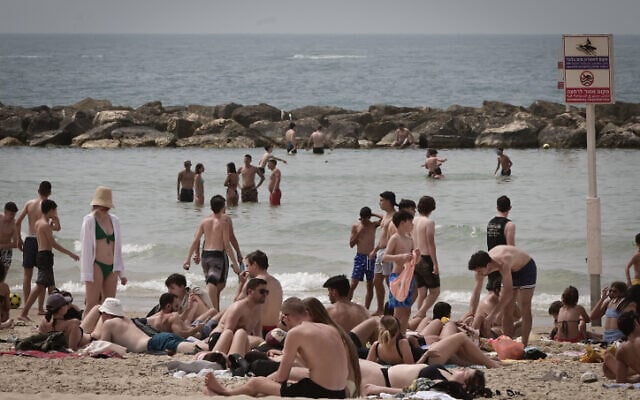
Beaches, agriculture, and military service all involve extended sun exposure. - Inconsistent sun protection.
Sunscreen and shade use may not always match the intensity of the environment. - Cultural mismatch.
Ancestry and evolution designed many residents for cloudy northern skies, not desert sunlight.
The Broader Lesson
Skin cancer in Israel is less about location and more about adaptation. When people live in climates that match their evolutionary design, their bodies maintain equilibrium with the sun. When populations migrate far from their ancestral UV environment, the mismatch between skin pigmentation and solar intensity exposes them to new health risks.
For Indigenous peoples who remained within their ancestral latitudes, skin color and climate stayed aligned. For fair-skinned populations now living in Israel, that evolutionary balance no longer exists — and the result is an epidemic that nature itself had once prevented.
Major sources
- World Health Organization (WHO). “Ultraviolet radiation and skin cancer.” This page outlines how UV radiation exposure is a major risk factor for skin cancer, especially in fair-skinned populations. World Health Organization+1
- International Commission on Non‑Ionizing Radiation Protection (ICNIRP) / World Meteorological Organization (WMO) / global UV index documentation. Their “Global Solar UV Index” guidelines show how UV intensity varies with latitude, time of day, season — factors that affect skin cancer risk. ICNIRP+1
- Feng L. Feng et al. “Global assessment of surface ultraviolet radiation and malignant skin melanoma incidence from 1990 to 2021.” This study shows that increases in UV radiation exposure correspond to increased melanoma incidence globally — including regions like the Middle East. PMC+1
- Published epidemiological data for Israel: e.g. a registry-based study of cutaneous malignant melanoma (CMM) incidence among Jews and non-Jews in Israel (1960–1989), showing rising rates especially among fair-skinned subpopulations. PubMed
- Occupational UV-exposure risk among outdoor workers in Israel: a study estimating that a large portion of workers with high sun/UV exposure have significantly elevated skin-cancer risk. PubMed


541 Comments
Hi https://is.gd/9PLRLO
AI Girls Video
AI Girls Video
Partner with us for generous payouts—sign up today!
Unlock exclusive rewards with every referral—apply to our affiliate program now!
Be rewarded for every click—join our affiliate program today!
Join our affiliate program and start earning today—sign up now!
Join our affiliate community and maximize your profits!
Your point of view caught my eye and was very interesting. Thanks. I have a question for you.
Share our products, reap the rewards—apply to our affiliate program!
Start profiting from your network—sign up today!
Sign up now and access top-converting affiliate offers!
Boost your income—enroll in our affiliate program today!
Refer friends, collect commissions—sign up now!
Unlock exclusive affiliate perks—register now!
Join our affiliate program today and start earning up to 30% commission—sign up now!
Boost your income—enroll in our affiliate program today!
Refer customers, collect commissions—join our affiliate program!
Boost your earnings effortlessly—become our affiliate!
Turn your traffic into cash—join our affiliate program!
Share our link, earn real money—signup for our affiliate program!
Thank you for your sharing. I am worried that I lack creative ideas. It is your article that makes me full of hope. Thank you. But, I have a question, can you help me?
Join our affiliate program today and start earning up to 30% commission—sign up now!
Invite your network, boost your income—sign up for our affiliate program now!
Start earning every time someone clicks—join now!
Earn recurring commissions with each referral—enroll today!
Earn big by sharing our offers—become an affiliate today!
Join our affiliate program and watch your earnings skyrocket—sign up now!
Monetize your traffic with our affiliate program—sign up now!
Share your link and rake in rewards—join our affiliate team!
Refer friends, earn cash—sign up now!
Start profiting from your traffic—sign up today!
Your point of view caught my eye and was very interesting. Thanks. I have a question for you. https://accounts.binance.info/en-ZA/register-person?ref=B4EPR6J0
Promote, refer, earn—join our affiliate program now!
Your article helped me a lot, is there any more related content? Thanks! https://www.binance.info/el/register?ref=DB40ITMB
Get rewarded for every recommendation—join our affiliate network!
Start earning passive income—become our affiliate partner!
Share your link and rake in rewards—join our affiliate team!
Join our affiliate community and maximize your profits—sign up now!
Get paid for every referral—sign up for our affiliate program now!
Start profiting from your network—sign up today!
Monetize your influence—become an affiliate today!
Your point of view caught my eye and was very interesting. Thanks. I have a question for you. https://accounts.binance.info/it/register-person?ref=P9L9FQKY
Drive sales, earn commissions—apply now!
Sign up and turn your connections into cash—join our affiliate program!
Join our affiliate program today and start earning up to 30% commission—sign up now!
Earn recurring commissions with each referral—enroll today!
Partner with us and earn recurring commissions—join the affiliate program!
Share our products, reap the rewards—apply to our affiliate program!
Your network, your earnings—apply to our affiliate program now!
Get rewarded for every recommendation—join our affiliate network!
Boost your income—enroll in our affiliate program today!
Get paid for every referral—sign up for our affiliate program now!
Get started instantly—earn on every referral you make!
Become our partner now and start turning referrals into revenue!
Start sharing, start earning—become our affiliate today!
Your point of view caught my eye and was very interesting. Thanks. I have a question for you.
Start profiting from your network—sign up today!
Invite your network, boost your income—sign up for our affiliate program now!
Share our products, earn up to 40% per sale—apply today!
Boost your profits with our affiliate program—apply today!
Thanks for sharing. I read many of your blog posts, cool, your blog is very good. https://accounts.binance.info/ru/register-person?ref=O9XES6KU
Invite your network, boost your income—sign up for our affiliate program now!
Join our affiliate program and start earning today—sign up now!
Your point of view caught my eye and was very interesting. Thanks. I have a question for you. https://accounts.binance.info/ur/register?ref=SZSSS70P
Turn traffic into cash—apply to our affiliate program today!
Can you be more specific about the content of your article? After reading it, I still have some doubts. Hope you can help me.
Apply now and unlock exclusive affiliate rewards!
Promote our products and earn real money—apply today!
Share our products and watch your earnings grow—join our affiliate program!
Start earning passive income—join our affiliate network today!
I don’t think the title of your article matches the content lol. Just kidding, mainly because I had some doubts after reading the article.
Start earning on autopilot—become our affiliate partner!
Join forces with us and profit from every click!
Get paid for every referral—enroll in our affiliate program!
Your point of view caught my eye and was very interesting. Thanks. I have a question for you. https://accounts.binance.info/register-person?ref=QCGZMHR6
Refer friends and colleagues—get paid for every signup!
Promote our products and earn real money—apply today!
Monetize your traffic with our affiliate program—sign up now!
Unlock exclusive rewards with every referral—enroll now!
Partner with us and enjoy high payouts—apply now!
Thanks for sharing. I read many of your blog posts, cool, your blog is very good.
Can you be more specific about the content of your article? After reading it, I still have some doubts. Hope you can help me. https://www.binance.info/pt-BR/register?ref=GJY4VW8W
Earn big by sharing our offers—become an affiliate today!
Share your unique link and earn up to 40% commission!
Tap into a new revenue stream—become an affiliate partner!
Start sharing our link and start earning today!
Join our affiliate family and watch your profits soar—sign up today!
Tap into unlimited earnings—sign up for our affiliate program!
Your article helped me a lot, is there any more related content? Thanks!
Join our affiliate program today and start earning up to 30% commission—sign up now!
Share your link, earn rewards—sign up for our affiliate program!
Thank you for your sharing. I am worried that I lack creative ideas. It is your article that makes me full of hope. Thank you. But, I have a question, can you help me?
Start earning on autopilot—become our affiliate partner!
I don’t think the title of your article matches the content lol. Just kidding, mainly because I had some doubts after reading the article. https://accounts.binance.com/register-person?ref=JW3W4Y3A
Drive sales, collect commissions—join our affiliate team!
Become our affiliate—tap into unlimited earning potential!
Apply now and unlock exclusive affiliate rewards!
Get paid for every referral—enroll in our affiliate program!
Grow your income stream—apply to our affiliate program today!
Refer friends and colleagues—get paid for every signup!
Join our affiliate program and start earning commissions today—sign up now!
Share our products, reap the rewards—apply to our affiliate program!
Share your unique link and cash in—join now!
Turn your network into income—apply to our affiliate program!
Sign up and turn your connections into cash—join our affiliate program!
Turn your network into income—apply to our affiliate program!
Start profiting from your network—sign up today!
Start earning instantly—become our affiliate and earn on every sale!
Start earning passive income—join our affiliate network today!
Start profiting from your network—sign up today!
Your point of view caught my eye and was very interesting. Thanks. I have a question for you. https://www.binance.info/register?ref=QCGZMHR6
Monetize your influence—become an affiliate today!
Refer and earn up to 50% commission—join now!
Turn your network into income—apply to our affiliate program!
Can you be more specific about the content of your article? After reading it, I still have some doubts. Hope you can help me.
Promote our products—get paid for every sale you generate!
Start earning passive income—join our affiliate network today!
Monetize your traffic instantly—enroll in our affiliate network!
Share our products, reap the rewards—apply to our affiliate program!
Promote our products—get paid for every sale you generate!
Thank you for your sharing. I am worried that I lack creative ideas. It is your article that makes me full of hope. Thank you. But, I have a question, can you help me?
https://shorturl.fm/UTxOv
https://shorturl.fm/QdlB9
https://shorturl.fm/v1MWO
https://shorturl.fm/iJj0Z
Thanks for sharing. I read many of your blog posts, cool, your blog is very good. https://accounts.binance.com/pl/register-person?ref=UM6SMJM3
https://shorturl.fm/UjBLt
https://shorturl.fm/VPyFv
https://shorturl.fm/zNdcB
https://shorturl.fm/nd5Uc
https://shorturl.fm/be3OZ
https://shorturl.fm/1sMs1
https://shorturl.fm/9zkXO
https://shorturl.fm/Zk136
https://shorturl.fm/KV8zs
https://shorturl.fm/KBi63
https://shorturl.fm/VJNhT
https://shorturl.fm/Wn8jQ
https://shorturl.fm/ADt2n
Your point of view caught my eye and was very interesting. Thanks. I have a question for you.
https://shorturl.fm/oNSH0
https://shorturl.fm/Fw2WW
https://shorturl.fm/5eSeE
https://shorturl.fm/QlOF4
https://shorturl.fm/lDDCs
https://shorturl.fm/vI5vQ
https://shorturl.fm/cOVm9
https://shorturl.fm/8rHGN
https://shorturl.fm/cdxEX
https://shorturl.fm/cqD9P
https://shorturl.fm/XYLyI
https://shorturl.fm/rapQZ
https://shorturl.fm/Xhk30
https://shorturl.fm/aZ7Yq
https://shorturl.fm/IjZRm
https://shorturl.fm/32HuD
https://shorturl.fm/Jh7vL
https://shorturl.fm/D6DaG
https://shorturl.fm/LwyXu
https://shorturl.fm/SJMNi
https://shorturl.fm/GQAw9
https://shorturl.fm/OitwB
https://shorturl.fm/TTGiJ
https://shorturl.fm/OsH6e
https://shorturl.fm/oTWkv
https://shorturl.fm/ljwV1
https://shorturl.fm/e5ziu
https://shorturl.fm/h6UlX
https://shorturl.fm/wVMnC
https://shorturl.fm/wRx5w
https://shorturl.fm/yoZDY
https://shorturl.fm/d5aFu
https://shorturl.fm/q0ANd
https://shorturl.fm/f8wQ8
https://shorturl.fm/mpnFl
https://shorturl.fm/Alt8c
https://shorturl.fm/EQbGL
https://shorturl.fm/lklWd
https://shorturl.fm/88Bgp
https://shorturl.fm/4pWmf
Thank you for your sharing. I am worried that I lack creative ideas. It is your article that makes me full of hope. Thank you. But, I have a question, can you help me?
https://shorturl.fm/XrbIM
https://shorturl.fm/uII0D
https://shorturl.fm/CPmZA
https://shorturl.fm/AVN7M
https://shorturl.fm/6NZHF
https://shorturl.fm/yAe0R
https://shorturl.fm/8HgvR
https://shorturl.fm/u6mPp
https://shorturl.fm/9w4ls
https://shorturl.fm/lPOmv
https://shorturl.fm/tgJJW
https://shorturl.fm/IiHKf
https://shorturl.fm/aNFBo
https://shorturl.fm/1lJiy
https://shorturl.fm/dYyS2
https://shorturl.fm/jTqad
https://shorturl.fm/3V8Zs
https://shorturl.fm/dFO6E
https://shorturl.fm/NJSsu
https://shorturl.fm/tWnRR
https://shorturl.fm/eCREe
https://shorturl.fm/AtyEg
Your point of view caught my eye and was very interesting. Thanks. I have a question for you. https://accounts.binance.bh/register/person?ref=QCGZMHR6
https://shorturl.fm/uKYHu
Your article helped me a lot, is there any more related content? Thanks! https://accounts.binance.bh/tr/register/person?ref=MST5ZREF
https://shorturl.fm/SFKHI
https://shorturl.fm/Z4ZeF
https://shorturl.fm/A7LPU
https://shorturl.fm/xTxgx
https://shorturl.fm/AeZJ4
Your point of view caught my eye and was very interesting. Thanks. I have a question for you.
https://shorturl.fm/yz9TL
https://shorturl.fm/76TGz
https://shorturl.fm/BhNgg
https://shorturl.fm/WBtAQ
https://shorturl.fm/E0myo
https://shorturl.fm/knv9z
https://shorturl.fm/Can2j
Can you be more specific about the content of your article? After reading it, I still have some doubts. Hope you can help me.
https://shorturl.fm/GK3KO
Can you be more specific about the content of your article? After reading it, I still have some doubts. Hope you can help me.
https://shorturl.fm/FlyUm
https://shorturl.fm/6qEy4
https://shorturl.fm/tn4Eq
https://shorturl.fm/n3v8W
https://shorturl.fm/yCmnK
https://shorturl.fm/NBAfb
https://shorturl.fm/WAyXy
https://shorturl.fm/Ym4Fc
https://shorturl.fm/YoQZu
https://shorturl.fm/chFoC
https://shorturl.fm/iJczQ
https://shorturl.fm/yTrs6
https://shorturl.fm/YbVxu
https://shorturl.fm/GE4iS
https://shorturl.fm/U1uHs
Your point of view caught my eye and was very interesting. Thanks. I have a question for you.
https://shorturl.fm/eeBxl
https://shorturl.fm/Rn8Nn
https://shorturl.fm/uSlbn
https://shorturl.fm/EYniS
https://shorturl.fm/lMq5C
https://shorturl.fm/FFlFH
https://shorturl.fm/3VSgY
https://shorturl.fm/7rA7m
https://shorturl.fm/vA7bu
https://shorturl.fm/q95yb
https://shorturl.fm/0Y2ak
https://shorturl.fm/Ia6XP
https://shorturl.fm/Avt9i
https://shorturl.fm/hsoww
https://shorturl.fm/Ia6XP
https://shorturl.fm/l0AfS
https://shorturl.fm/N1duU
https://shorturl.fm/zIk4t
https://shorturl.fm/2XCDI
https://shorturl.fm/uQhUY
https://shorturl.fm/YGSi0
https://shorturl.fm/Xs2OZ
https://shorturl.fm/JieKz
https://shorturl.fm/HwZcA
https://shorturl.fm/RDzVI
https://shorturl.fm/RtFUZ
https://shorturl.fm/sDTsz
https://shorturl.fm/G0LoY
https://shorturl.fm/HFiEw
https://shorturl.fm/sxLct
https://shorturl.fm/GU4oH
https://shorturl.fm/SlC9R
https://shorturl.fm/CvY8D
https://shorturl.fm/abVcf
https://shorturl.fm/sN2cv
I don’t think the title of your article matches the content lol. Just kidding, mainly because I had some doubts after reading the article. https://accounts.binance.info/register/person?ref=IXBIAFVY
Thank you for your sharing. I am worried that I lack creative ideas. It is your article that makes me full of hope. Thank you. But, I have a question, can you help me?
Thanks for sharing. I read many of your blog posts, cool, your blog is very good.
https://shorturl.fm/nYip4
https://shorturl.fm/KZN42
Thank you for your sharing. I am worried that I lack creative ideas. It is your article that makes me full of hope. Thank you. But, I have a question, can you help me? https://accounts.binance.bh/register/person?ref=IHJUI7TF
https://shorturl.fm/wAM3T
https://shorturl.fm/gci0s
https://shorturl.fm/k5A36
https://shorturl.fm/dEOU5
https://shorturl.fm/I7Frn
https://shorturl.fm/BI9Et
https://shorturl.fm/BKlZ2
https://shorturl.fm/iu3lO
https://pesnimp3.net/1.html
https://shorturl.fm/OynDm
https://shorturl.fm/izqRv
https://shorturl.fm/gFtBS
https://shorturl.fm/Al0Tg
Thank you for your sharing. I am worried that I lack creative ideas. It is your article that makes me full of hope. Thank you. But, I have a question, can you help me?
https://pesnimp3.net/2.html
https://shorturl.fm/Qpq6F
https://shorturl.fm/skjEa
https://shorturl.fm/tSpX8
https://shorturl.fm/snufQ
https://shorturl.fm/9NNq5
https://shorturl.fm/jFw5p
https://shorturl.fm/4YLXl
https://shorturl.fm/qpBDE
Can you be more specific about the content of your article? After reading it, I still have some doubts. Hope you can help me.
https://shorturl.fm/XbWQ7
https://shorturl.fm/D1eIy
https://shorturl.fm/FMc0D
https://shorturl.fm/EZonP
https://shorturl.fm/skjEa
https://shorturl.fm/ZezR6
https://shorturl.fm/LrYTl
https://shorturl.fm/tSpX8
https://shorturl.fm/MCSbr
https://shorturl.fm/hZQbI
https://shorturl.fm/LFRBU
https://shorturl.fm/xGjUe
https://shorturl.fm/s7cu7
https://shorturl.fm/lEvJ6
https://shorturl.fm/8HM7g
https://shorturl.fm/cABNE
https://shorturl.fm/6N22A
https://shorturl.fm/538Ma
https://shorturl.fm/sPRLB
https://shorturl.fm/XDOa7
https://shorturl.fm/x2Qal
https://shorturl.fm/smoLM
https://shorturl.fm/0YAko
https://shorturl.fm/silio
Can you be more specific about the content of your article? After reading it, I still have some doubts. Hope you can help me.
https://shorturl.fm/HNlK1
https://shorturl.fm/pdLF2
https://shorturl.fm/9XjLf
https://shorturl.fm/LDMqi
https://shorturl.fm/LDMqi
https://shorturl.fm/IhrTC
Популярные песни 2026 скачать бесплатно https://shorturl.fm/dfuzp
https://shorturl.fm/jmq2o
https://shorturl.fm/mfTtt
https://shorturl.fm/BXDbp
https://shorturl.fm/TdlNe
https://shorturl.fm/wlquA
https://shorturl.fm/fQDEB
https://shorturl.fm/NOwet
Последние новинки музыки 2026 скачать бесплатно https://shorturl.fm/naLA6
Thank you for your sharing. I am worried that I lack creative ideas. It is your article that makes me full of hope. Thank you. But, I have a question, can you help me? https://www.binance.bh/register?ref=GGYHGRE
https://shorturl.fm/flVZh
I don’t think the title of your article matches the content lol. Just kidding, mainly because I had some doubts after reading the article.
https://shorturl.fm/Pujaa
https://shorturl.fm/T1Nir
https://shorturl.fm/GvREs
https://shorturl.fm/V61MI
https://shorturl.fm/1rCOL
https://shorturl.fm/iuMdy
https://shorturl.fm/IDGic
Популярные песни 2026 скачать бесплатно https://shorturl.fm/DXlpZ
Последние новинки музыки 2026 скачать бесплатно https://shorturl.fm/cCQW9
Новинки музыки 2026 скачать бесплатно https://shorturl.fm/pj0rJ
Последние новинки музыки 2026 скачать бесплатно – https://shorturl.fm/rrdv9
https://shorturl.fm/GTqFv
Can you be more specific about the content of your article? After reading it, I still have some doubts. Hope you can help me.
I don’t think the title of your article matches the content lol. Just kidding, mainly because I had some doubts after reading the article.
https://shorturl.fm/ZjaHh
https://shorturl.fm/leTw3
https://shorturl.fm/bYoog
https://shorturl.fm/TEpuk
https://shorturl.fm/z1aa0
https://shorturl.fm/bTRf0
I don’t think the title of your article matches the content lol. Just kidding, mainly because I had some doubts after reading the article.
https://shorturl.fm/qd4Tq
https://shorturl.fm/zj8lL
https://shorturl.fm/FKF8P
https://shorturl.fm/v0279
https://shorturl.fm/O7V68
https://shorturl.fm/G8txy
https://shorturl.fm/jiags
https://shorturl.fm/3oCtx
https://shorturl.fm/4URx8
https://shorturl.fm/dyTO5
https://shorturl.fm/QPmjK
I don’t think the title of your article matches the content lol. Just kidding, mainly because I had some doubts after reading the article.
https://shorturl.fm/6L2m0
https://shorturl.fm/80itG
https://shorturl.fm/3mOVI
https://shorturl.fm/28DYx
https://shorturl.fm/jfIe8
https://shorturl.fm/djCmP
https://shorturl.fm/kMYVq
https://shorturl.fm/jcYRP
https://shorturl.fm/jRg6e
https://shorturl.fm/LVicp
https://shorturl.fm/spr4p
https://shorturl.fm/2dFKO
https://shorturl.fm/x6l8E
https://shorturl.fm/qHBFk
https://shorturl.fm/izrZy
https://shorturl.fm/JmAXl
https://shorturl.fm/BaPBO
https://shorturl.fm/UKDZG
https://shorturl.fm/tlCgf
https://shorturl.fm/2JCcV
https://shorturl.fm/i6UwS
https://shorturl.fm/2QvcG
https://shorturl.fm/eu3RV
https://shorturl.fm/CbeF6
https://shorturl.fm/fVg6q
https://shorturl.fm/uk53I
Thanks for sharing. I read many of your blog posts, cool, your blog is very good.
https://shorturl.fm/SlVAh
https://shorturl.fm/TFYII
https://shorturl.fm/v5hcs
I don’t think the title of your article matches the content lol. Just kidding, mainly because I had some doubts after reading the article. gratis binance-konto
https://shorturl.fm/qaWT5
https://shorturl.fm/8p9vA
https://shorturl.fm/cg0df
https://shorturl.fm/hnzIR
https://shorturl.fm/e4Isj
https://shorturl.fm/ktlhE
https://shorturl.fm/rMwma
https://shorturl.fm/3pqwV
https://shorturl.fm/hSnN3
https://shorturl.fm/eQN33
https://shorturl.fm/Ulahu
https://shorturl.fm/EZhZn
https://shorturl.fm/MY7L5
https://shorturl.fm/ZYXBb
Your point of view caught my eye and was very interesting. Thanks. I have a question for you.
https://shorturl.fm/np1Q6
https://shorturl.fm/hkYzE
https://shorturl.fm/6ubTp
https://shorturl.fm/xkMjS
Your article helped me a lot, is there any more related content? Thanks! https://accounts.binance.bh/register/person?ref=IXBIAFVY
https://shorturl.fm/6TlVP
https://shorturl.fm/ihX2g
https://shorturl.fm/h4JMG
https://shorturl.fm/kYoY0
https://shorturl.fm/Wo2Ec
https://shorturl.fm/8tnip
https://shorturl.fm/5KZZD
https://shorturl.fm/MX6XM
https://shorturl.fm/JuAwq
https://shorturl.fm/xjKzh
https://shorturl.fm/IKb4y
https://shorturl.fm/qQ1VA
https://shorturl.fm/ujz4f
https://shorturl.fm/We5ac
https://shorturl.fm/e69KL
https://shorturl.fm/jdJH0
https://shorturl.fm/YdCxq
https://shorturl.fm/jB51d
https://shorturl.fm/3PNHZ
Thank you for your sharing. I am worried that I lack creative ideas. It is your article that makes me full of hope. Thank you. But, I have a question, can you help me?
https://shorturl.fm/l4kKd
https://shorturl.fm/rkJ5p
https://shorturl.fm/oCzWq
Your article helped me a lot, is there any more related content? Thanks!
https://shorturl.fm/cVEQV
https://shorturl.fm/ImDnO
https://shorturl.fm/YCQsX
https://shorturl.fm/ehGuO
https://shorturl.fm/HlXks
https://shorturl.fm/0a2Nl
https://shorturl.fm/1o8fP
https://shorturl.fm/GAghm
https://shorturl.fm/ISzhL
Your article helped me a lot, is there any more related content? Thanks! https://www.binance.com/register?ref=QCGZMHR6
https://shorturl.fm/jTsNR
Your point of view caught my eye and was very interesting. Thanks. I have a question for you.
https://shorturl.fm/mDQ8v
https://shorturl.fm/Tj2e4
https://shorturl.fm/FefIj
https://shorturl.fm/DQjfN
https://shorturl.fm/p0xrP
https://shorturl.fm/dKQhv
https://shorturl.fm/udtke
https://shorturl.fm/rSme3
https://shorturl.fm/2hri5
https://shorturl.fm/PNbhc
Can you be more specific about the content of your article? After reading it, I still have some doubts. Hope you can help me.
https://shorturl.fm/JFR26
https://shorturl.fm/YJlt7
https://shorturl.fm/Masg0
https://shorturl.fm/lKkAc
https://shorturl.fm/E4wWG
https://shorturl.fm/db8yx
https://shorturl.fm/8QbJZ
https://shorturl.fm/I09sp
https://shorturl.fm/Ej47k
https://shorturl.fm/5Vnsr
https://shorturl.fm/8XH8B
https://shorturl.fm/J6PB4
https://shorturl.fm/GQ4GK
https://shorturl.fm/B5L3I
https://shorturl.fm/qNzMS
https://shorturl.fm/0JYaA
https://shorturl.fm/S2O9U
https://shorturl.fm/sIU0P
https://shorturl.fm/qRoNj
https://shorturl.fm/NiLi4
https://shorturl.fm/7nKdE
https://shorturl.fm/fdjgk
https://shorturl.fm/PIUpd
https://shorturl.fm/3EwTv
https://shorturl.fm/xdegR
https://shorturl.fm/luLyu
https://shorturl.fm/2zDIl
https://shorturl.fm/cUvOZ
https://shorturl.fm/XrSHZ
https://shorturl.fm/8OmYg
https://shorturl.fm/1RRKJ
https://shorturl.fm/R1nyy
https://shorturl.fm/QBnpH
https://shorturl.fm/kZjsY
https://shorturl.fm/lu7t8
https://shorturl.fm/5RFDD
https://shorturl.fm/6Ljv7
https://shorturl.fm/UvHT3
https://shorturl.fm/WAIBc
https://shorturl.fm/gQBk6
https://shorturl.fm/9Hmtw
https://shorturl.fm/pYXYN
https://shorturl.fm/5hSw5
https://shorturl.fm/eYapz
https://shorturl.fm/6nTKW
https://shorturl.fm/gErvX
https://shorturl.fm/GRAQI
https://shorturl.fm/psCgp
https://shorturl.fm/h8r4N
https://shorturl.fm/Zvmp7
https://shorturl.fm/VyRoE
https://shorturl.fm/gmVTN
https://shorturl.fm/xTYJx
https://shorturl.fm/6z6ti
https://shorturl.fm/9iWdn
https://shorturl.fm/qeejF
https://shorturl.fm/HBW3M
https://addlinks.pro/Jkv8M
https://addlinks.pro/B9XQV
https://addlinks.pro/YsPDu
https://addlinks.pro/59XV3
https://addlinks.pro/9X3H9
https://addlinks.pro/uAXJA