




From the very first national symbols to place names on the Mississippi and the monumental skyline of Washington, elites in the early United States repeatedly selected Egyptian forms, language, and imagery. This was not accidental. It projected antiquity, permanence, sacred authority, and empire. Below is a sourced walkthrough of the flag’s star field parallels, the Great Seal’s pyramid and eye, the naming and material links around Memphis, and the national habit of raising obelisks and sphinxes. The closing section weighs what this means for the question of America taking on the role of Egypt, with Deuteronomy 28:68 as a frame.
1) The first symbol: the flag’s star field and Egyptian star ceilings
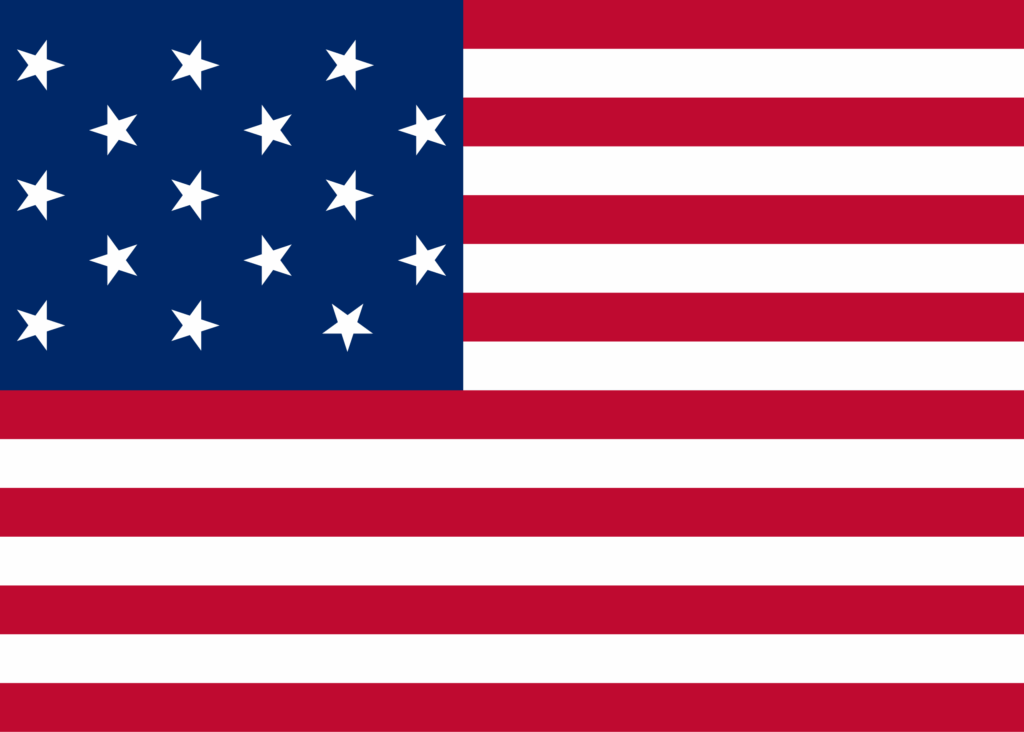
The Continental Congress defined the flag on June 14, 1777 as thirteen stripes with a blue canton bearing “thirteen stars, white in a blue field, representing a new constellation.” Smithsonian Institution+1
After this first flag, the second flag that we all recognize was created with the Flag Act of 1794. Here we see the white stars set against a blue sky in an ordered constellation. This begins the beginning of the Star-Spangled Banner Flag, which flown in the War of 1812. Francis Scott Key then wrote “Defence of Fort M’Henry” based on this flag, and that poem became the “The Star-Spangled Banner” which is the national anthem of the United States.

Ancient Egyptian sacred spaces used literal star fields on rich blue ceilings to represent the heavens. One of the earliest mapped examples is the astronomical ceiling from the tomb of Senenmut at Deir el-Bahri, showing white or yellow stars on a deep blue field, with decans and constellations laid out in gridded order. The Metropolitan Museum of Art+1


No primary document says the flag copied Egypt. Officially the stars signify the new constellation of states. But a blue field filled with bright stars does have a clear visual parallel in Egyptian ritual ceilings, which were well known to European classicists and, by the early 1800s, to American elites through travel reports and museum work. Use the Met’s Senenmut material as a visual reference for a blue star ceiling. The Metropolitan Museum of Art
In temples, these designs emphasized the bond between the divine and the mortal world. Ceilings adorned with stars in sanctuaries or hypostyle halls represented the gods’ eternal nature and the cosmic order. They transformed the temple into a reflection of the heavens, a sacred space where the divine could meet the human.

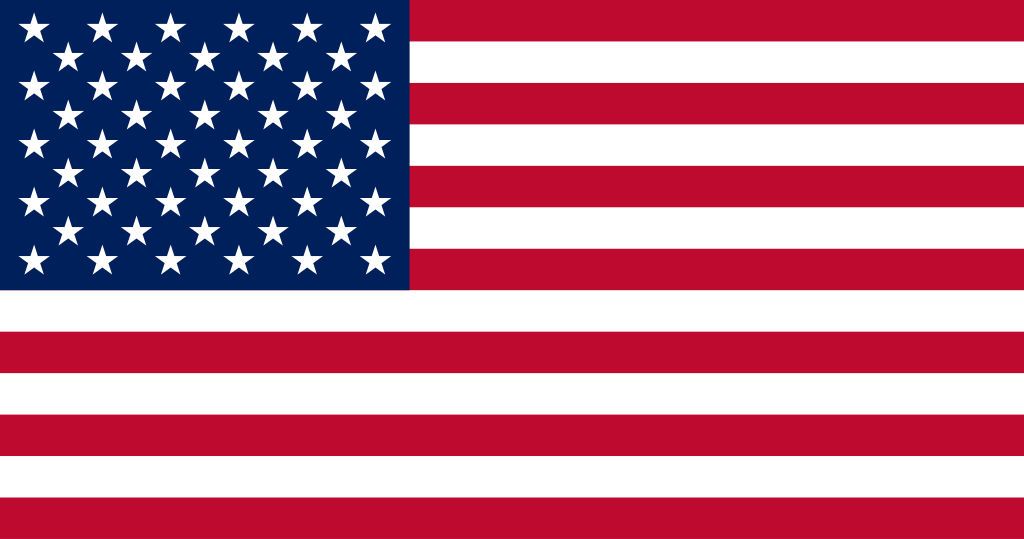
This is the flag today, with the constellation of 50 stars and the 13 stripes.
2) The second symbol: the Great Seal’s pyramid and the all-seeing eye

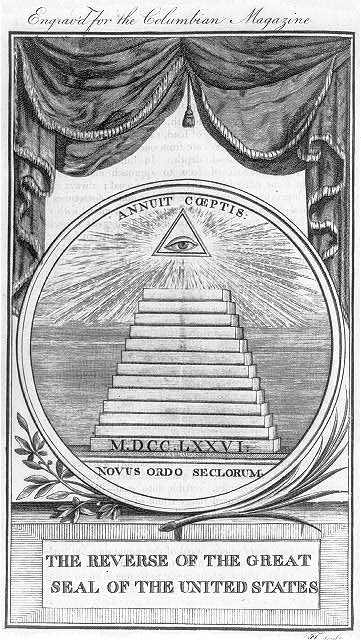
Congress adopted the Great Seal on June 20, 1782. The reverse is officially described as “a pyramid unfinished” and, “in the zenith an eye in a triangle, surrounded by a glory,” with MDCCLXXVI at the base. Wikipedia
The reverse’s iconography is explicit: a thirteen-tier pyramid for endurance and the founding era, topped by the Eye of Providence with the mottos Annuit Coeptis and Novus Ordo Seclorum. The U.S. Government Printing Office’s educational brief and State Department materials summarize that official meaning. Ben’s Guide to Government+1
The seal’s reverse moved into everyday life in 1935 when the Treasury added both sides of the Great Seal to the back of the one dollar bill. The Smithsonian’s object records and general histories note the 1935 adoption on currency. Wikipedia+2National Museum of American History+2
While the Eye of Providence was framed by the designers as divine oversight in a Christian Enlightenment sense, the use of a pyramid is an unmistakable lift from Egyptian monumental form, meant to signal time-proof strength. Primary and early engravings of the reverse are available through the Library of Congress and official explainer PDFs. The Library of Congress+1
3) “Memphis” on the Mississippi and the founders who named it

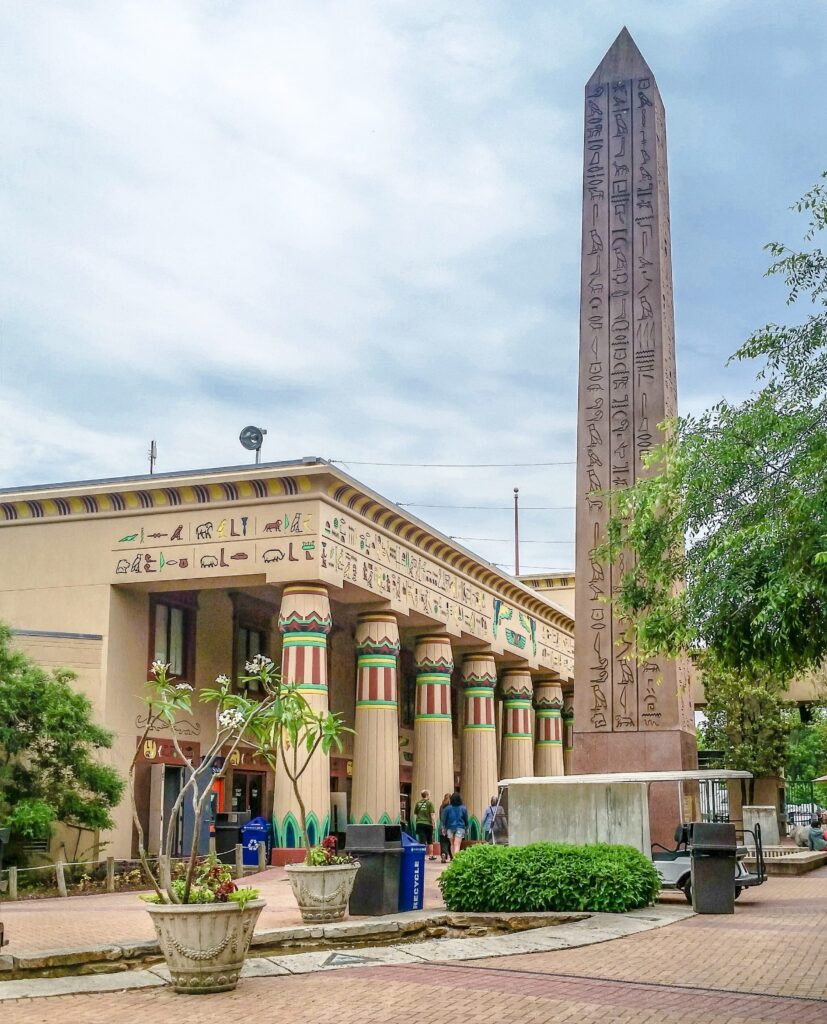
Memphis, Tennessee was founded on May 22, 1819 by John Overton, James Winchester, and future president Andrew Jackson. It was explicitly named for Memphis in Kemet, linking the new river city to the Nile capital by name and setting. Wikipedia
The name was not a one-off. Nineteenth century Americans repeatedly mapped Nile language onto the Mississippi system, calling it the “American Nile” and founding Cairo, Thebes, Karnak, and Alexandria along its banks and region. Scholarly and museum voices document the Egyptomania behind those choices. AramcoWorld+2Cambridge University Press & Assessment+2
Material ties exist too. In 1917 Memphis received two quartzite palace blocks from ancient Memphis in Egypt, donated to the city and now stewarded through the University of Memphis’s Institute of Egyptian Art and Archaeology. University of Memphis
The modern Memphis Pyramid, opened in 1991, is a deliberate echo of the city’s Egyptian namesake and remains one of the tallest pyramidal structures in the world. Wikipedia
4) Obelisks, sphinxes, and temples across the United States


Washington Monument
The monument is an Egyptian-style obelisk by design history and by official interpretation. NPS states that its shape “evok[es] the timelessness of ancient civilizations,” and the project’s redesign in the 1870s intentionally moved to a purer Egyptian obelisk form with a pointed pyramidion. National Park Service+2NPS History+2

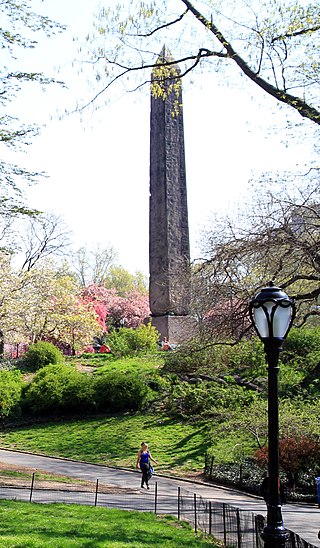
Cleopatra’s Needle in Central Park
New York’s genuine ancient obelisk, quarried at Aswan and first erected by Thutmose III, was installed in Central Park in 1881. The Central Park Conservancy gives the dedication year and context. Central Park Conservancy

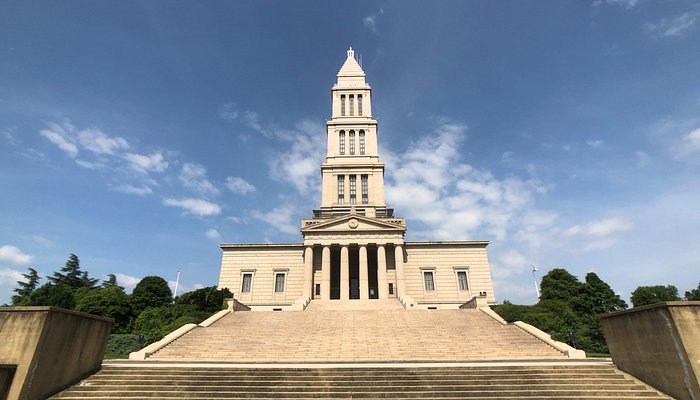
George Washington Masonic National Memorial in Alexandria, VA

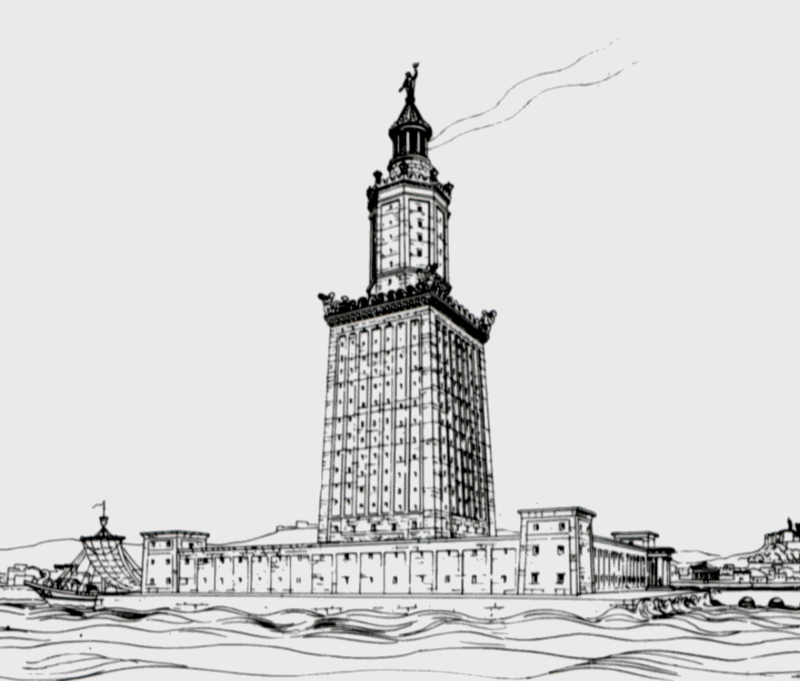
This was inspired by the ancient Lighthouse of Alexandria in Egypt. This massive structure combines neoclassical and Egyptian revival styles to honor George Washington as a Freemason.
Temple of Dendur in New York
An Egyptian temple now installed at the Met, gifted in the 1960s and opened to the public in 1978. The Metropolitan Museum of Art
Masonic Egypt in Washington
The Scottish Rite’s House of the Temple on 16th Street NW in D.C. is fronted by monumental sphinxes and draws on pharaonic motifs as part of its architectural program. scottishrite.org+1
Wider Egyptomania
Smithsonian accounts, design histories, and architectural style guides document the nineteenth and early twentieth century waves of Egyptomania that put obelisks, sphinxes, lotus capitals, and pyramid mausoleums into civic landscapes, cemeteries, and theaters. National Museum of American History+2dahp.wa.gov+2
5) Why this fascination
Antiquity on demand
A post-revolution republic wanted instant depth. Egyptian forms signaled primeval legitimacy and endurance. Smithsonian commentary on the Washington Monument’s form calls out the era’s “Egyptomania” and desire to look time-rooted. Smithsonian Magazine
Theology and sovereignty
The eye over a pyramid fuses sacred surveillance with state power. Official texts present the Eye of Providence as divine favor, yet the chosen vessel is an Egyptian pyramid, not a Roman arch. The written blazon and government explainers make that duality plain. Wikipedia+1
Geography and myth-making
Calling the Mississippi the “American Nile” and planting Memphis, Cairo, and Thebes on its edges recast the United States as heir to Nile civilization in the continental heartland. AramcoWorld+1
6) Has the United States taken on the role of Egypt
Deuteronomy 28:68 warns of a return “into Egypt again with ships,” a metaphor of bondage and reversal used in covenant curses. The verse is explicit in multiple translations, including KJV and modern versions. Bible Gateway+1
Reading America as “Egypt” is a theological and historical claim, not a line in federal law. What can be sourced is this:
- National symbolism repeatedly elevates Egyptian forms at the highest level of state imagery. Wikipedia+1
- Cities and monuments along the Mississippi and in the capital adopt Egyptian names and shapes. Wikipedia+2SCRC Exhibits+2
- Museums and civic institutions literally install Egyptian temples and obelisks in American civic space. The Metropolitan Museum of Art+1
Those documented patterns let writers and communities argue that the United States has placed itself in an Egyptian role symbolically. Whether that fulfills Deuteronomy 28:68 onto America is a theological interpretation that different traditions will answer differently. The primary sources above establish the symbolic groundwork.
Fast reference timeline
- 1777 Flag resolution with “stars, white in a blue field, representing a new constellation.” Smithsonian Institution
- 1782 Great Seal adopted with an unfinished pyramid and the Eye of Providence. Wikipedia
- 1819 Memphis, Tennessee founded, named after Memphis in Kemet, by Andrew Jackson and partners. Wikipedia
- 1881 Cleopatra’s Needle installed in Central Park. Central Park Conservancy
- 1884 Washington Monument completed as an Egyptian-style obelisk by final design. NPS History
- 1917 Ancient Memphis quartzite blocks donated to the City of Memphis. University of Memphis
- 1935 Great Seal added to the reverse of the one dollar bill. Wikipedia
- 1978 Temple of Dendur opens at the Met. The Metropolitan Museum of Art
- 1991 Memphis Pyramid opens. Wikipedia


93 Comments
Monetize your traffic instantly—enroll in our affiliate network!
Share our products, earn up to 40% per sale—apply today!
Thanks for sharing. I read many of your blog posts, cool, your blog is very good.
Thank you for your sharing. I am worried that I lack creative ideas. It is your article that makes me full of hope. Thank you. But, I have a question, can you help me? https://accounts.binance.info/da-DK/register?ref=V3MG69RO
Can you be more specific about the content of your article? After reading it, I still have some doubts. Hope you can help me. https://www.binance.info/id/register?ref=UM6SMJM3
Join our affiliate program and start earning commissions today—sign up now!
Your point of view caught my eye and was very interesting. Thanks. I have a question for you.
Thanks for sharing. I read many of your blog posts, cool, your blog is very good. https://www.binance.com/fr/register?ref=T7KCZASX
Your point of view caught my eye and was very interesting. Thanks. I have a question for you. https://accounts.binance.com/fr/register-person?ref=T7KCZASX
Can you be more specific about the content of your article? After reading it, I still have some doubts. Hope you can help me.
Thank you for your sharing. I am worried that I lack creative ideas. It is your article that makes me full of hope. Thank you. But, I have a question, can you help me? https://accounts.binance.info/bg/register-person?ref=V2H9AFPY
Your point of view caught my eye and was very interesting. Thanks. I have a question for you. https://www.binance.info/register?ref=JW3W4Y3A
Start earning every time someone clicks—join now!
Earn up to 40% commission per sale—join our affiliate program now!
Your point of view caught my eye and was very interesting. Thanks. I have a question for you. https://www.binance.com/register?ref=IXBIAFVY
Share our link, earn real money—signup for our affiliate program!
Can you be more specific about the content of your article? After reading it, I still have some doubts. Hope you can help me.
I don’t think the title of your article matches the content lol. Just kidding, mainly because I had some doubts after reading the article.
Thank you for your sharing. I am worried that I lack creative ideas. It is your article that makes me full of hope. Thank you. But, I have a question, can you help me? https://www.binance.com/join?ref=JW3W4Y3A
Monetize your audience—become an affiliate partner now!
Can you be more specific about the content of your article? After reading it, I still have some doubts. Hope you can help me.
Thanks for sharing. I read many of your blog posts, cool, your blog is very good.
Can you be more specific about the content of your article? After reading it, I still have some doubts. Hope you can help me. https://accounts.binance.info/ES_la/register-person?ref=VDVEQ78S
Monetize your influence—become an affiliate today!
Can you be more specific about the content of your article? After reading it, I still have some doubts. Hope you can help me.
Join our affiliate community and maximize your profits—sign up now!
Your article helped me a lot, is there any more related content? Thanks! https://www.binance.info/register?ref=QCGZMHR6
Your article helped me a lot, is there any more related content? Thanks! https://www.binance.info/register?ref=IHJUI7TF
Can you be more specific about the content of your article? After reading it, I still have some doubts. Hope you can help me. https://www.binance.com/register?ref=JW3W4Y3A
https://shorturl.fm/tZaYp
Can you be more specific about the content of your article? After reading it, I still have some doubts. Hope you can help me.
Your point of view caught my eye and was very interesting. Thanks. I have a question for you.
https://shorturl.fm/GRKhJ
https://shorturl.fm/7ojdV
https://shorturl.fm/7xOUx
https://shorturl.fm/WoijY
https://shorturl.fm/Cra0E
I don’t think the title of your article matches the content lol. Just kidding, mainly because I had some doubts after reading the article.
https://shorturl.fm/itJ1v
https://shorturl.fm/bWFMM
I don’t think the title of your article matches the content lol. Just kidding, mainly because I had some doubts after reading the article. https://www.binance.com/futures/ref?code=L4EUT9FG
Thanks for sharing. I read many of your blog posts, cool, your blog is very good. https://accounts.binance.com/en/register/person?ref=JHQQKNKN
https://shorturl.fm/NJgxd
https://shorturl.fm/sg6T3
Can you be more specific about the content of your article? After reading it, I still have some doubts. Hope you can help me. https://accounts.binance.info/register/person?ref=W49FLGDN
Thank you for your sharing. I am worried that I lack creative ideas. It is your article that makes me full of hope. Thank you. But, I have a question, can you help me?
https://shorturl.fm/zZ7n9
I don’t think the title of your article matches the content lol. Just kidding, mainly because I had some doubts after reading the article.
Can you be more specific about the content of your article? After reading it, I still have some doubts. Hope you can help me.
https://shorturl.fm/A7LPU
https://shorturl.fm/6SVMK
Can you be more specific about the content of your article? After reading it, I still have some doubts. Hope you can help me.
https://shorturl.fm/RFphp
https://shorturl.fm/V2Cwg
https://shorturl.fm/JIEzQ
I don’t think the title of your article matches the content lol. Just kidding, mainly because I had some doubts after reading the article.
Your point of view caught my eye and was very interesting. Thanks. I have a question for you.
Your point of view caught my eye and was very interesting. Thanks. I have a question for you. https://accounts.binance.com/register/person?ref=IHJUI7TF
Your point of view caught my eye and was very interesting. Thanks. I have a question for you. https://www.binance.bh/pt-BR/futures/ref?code=GJY4VW8W
Your article helped me a lot, is there any more related content? Thanks! https://accounts.binance.bh/register/person?ref=L4EUT9FG
https://shorturl.fm/8hYnz
https://shorturl.fm/GR7DM
https://shorturl.fm/3hwg3
https://shorturl.fm/X0Tv2
Thanks for sharing. I read many of your blog posts, cool, your blog is very good. https://accounts.binance.com/register/person?ref=JW3W4Y3A
https://shorturl.fm/MC47B
https://shorturl.fm/f5UPb
https://shorturl.fm/ncJ2a
Последние новинки музыки 2026 скачать бесплатно https://shorturl.fm/cCQW9
https://shorturl.fm/wbqOn
https://shorturl.fm/MJ2Cu
https://shorturl.fm/iUV2r
Your article helped me a lot, is there any more related content? Thanks!
https://shorturl.fm/ueoDt
https://shorturl.fm/qHBFk
Can you be more specific about the content of your article? After reading it, I still have some doubts. Hope you can help me.
https://shorturl.fm/qC0f5
Your article helped me a lot, is there any more related content? Thanks!
https://shorturl.fm/tOAbx
https://shorturl.fm/Hoqo0
Thank you for your sharing. I am worried that I lack creative ideas. It is your article that makes me full of hope. Thank you. But, I have a question, can you help me?
https://shorturl.fm/533Hf
https://shorturl.fm/1mvMg
https://shorturl.fm/mvKcJ
Thank you for your sharing. I am worried that I lack creative ideas. It is your article that makes me full of hope. Thank you. But, I have a question, can you help me? https://accounts.binance.com/register/person?ref=JW3W4Y3A
https://shorturl.fm/N7Z53
Your point of view caught my eye and was very interesting. Thanks. I have a question for you.
Your point of view caught my eye and was very interesting. Thanks. I have a question for you. https://www.binance.bh/id/register?ref=OMM3XK51
https://shorturl.fm/m0PUJ
Thank you for your sharing. I am worried that I lack creative ideas. It is your article that makes me full of hope. Thank you. But, I have a question, can you help me? https://www.binance.bh/register?ref=IHJUI7TF
https://shorturl.fm/TcQ5a
https://shorturl.fm/9ho6r
https://shorturl.fm/7inwR